19 October 2026 · TJ Smile Studio
Adult Orthodontics Options in the UK: Braces and Aligners
Metal, ceramic and lingual braces or clear aligners: how adult orthodontic options compare in the UK, what they cost, how long they take and how to choose.
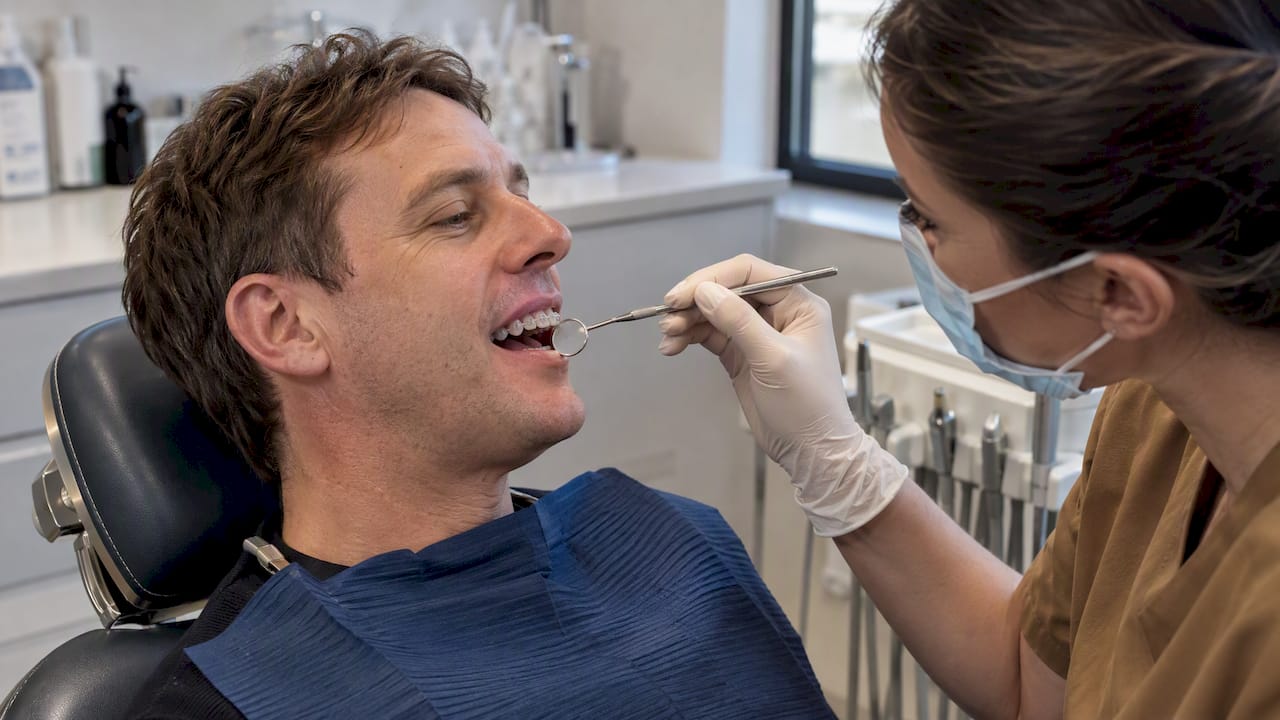
Adults in the UK can choose between fixed metal braces, tooth-coloured ceramic braces, lingual braces fitted behind the teeth and removable clear aligners. For selected bite problems there are also functional appliances and small anchorage devices. The right one depends on what needs moving, how visible you are happy for it to be, and how much daily discipline you can offer. Appearance alone should not decide it.
Below we go through each option, what it suits, what it asks of you, and where aligners such as Invisalign fit. We are a Glasgow cosmetic dental clinic, so we say plainly which cases we would expect aligners to handle and which need a different route.
TL;DR
- Adults can have teeth moved at any age, provided teeth and gums are healthy. Most adults pay privately, because NHS braces are mainly for under-18s.
- The main choices are metal braces, ceramic braces, lingual braces and clear aligners. Fixed braces stay the most predictable for complex cases. Aligners are the most discreet and can be taken out to eat and clean.
- Treatment time is an estimate, never a promise. Breakages and missed appointments make it longer, and you will need retainers afterwards.
- Choose a clinician you can name, who is registered with the GDC, and get the plan and costs in writing.
- At TJ Smile Studio, Invisalign starts from £1,800 and a consultation is £50.
Table of Contents
- Can adults have orthodontic treatment?
- The main adult orthodontic options compared
- Clear aligners for adults: what to expect
- How long does adult orthodontic treatment take?
- What does it cost?
- Choosing between the options
- Our view: personal planning matters more than the appliance
- Retainers: the part people skip
- Comfort, speech and daily life
- Be careful with remote and mail-order aligners
- Starting with a consultation at TJ Smile Studio
- What to ask at any orthodontic consultation
- FAQ
- Sources
Can adults have orthodontic treatment?
Yes. The British Orthodontic Society says teeth can be moved at any age as long as the teeth and gums are healthy. That second condition matters. Gum disease or untreated decay is dealt with first, because moving teeth in an unhealthy mouth causes harm.
There is also a funding point that surprises people. Adults are not commonly funded through NHS orthodontic contracts. The exception is severe cases, particularly those needing jaw surgery, which may be treated through hospital services after referral. For everyone else, treatment is private and the fee is yours to compare.
Crowding is the most common reason adults come in. The BOS adult leaflet puts it at nearly 45% of people in the UK having some degree of crowding. Others have gaps, teeth that drifted after an old retainer was abandoned, or a bite that wears the teeth unevenly. The BOS also notes that modern treatment can improve both appearance and bite, and that well-aligned teeth are easier to keep clean.
The main adult orthodontic options compared
The BOS lists the UK adult options as fixed metal braces, ceramic braces, lingual braces and removable clear aligners, with functional appliances and temporary anchorage devices (TADs) used for particular movements. Here is how the four everyday choices differ in practice.
| Option | How visible | Removable | Best suited to | Main trade-off |
|---|---|---|---|---|
| Metal fixed braces | Most visible | No | Complex alignment and bite problems | Appearance, careful cleaning around brackets |
| Ceramic fixed braces | Tooth-coloured, less obvious | No | Adults wanting fixed-brace predictability with less show | Same cleaning demands as metal |
| Lingual braces | Hidden behind teeth | No | Adults who want nothing visible on the front | Can affect speech and irritate the tongue at first |
| Clear aligners | Near invisible | Yes | Mild to moderate straightening, discreet treatment | Depends on you wearing them consistently |
Fixed metal braces
Brackets are bonded to the teeth and joined by a wire that is adjusted over time. They remain a predictable option for complex cases, which is why orthodontists still use them widely. The cost to you is lifestyle. Hospital guidance for fixed braces recommends cleaning after meals and before bed, carrying a toothbrush, and avoiding hard, crunchy or sticky foods, because plaque around brackets can leave permanent marks, decay and gum disease.
Ceramic braces
These work like metal braces but use tooth-coloured or clear brackets, so they blend in better. They are one of the three principal discreet choices identified in UK clinical information, alongside clear aligners and lingual braces. You get fixed-brace control with less visual impact, but you still clean around brackets and cannot take them out for a meeting or a wedding.
Lingual braces
Lingual braces sit on the back surfaces of the teeth. The BOS notes they can initially affect speech and irritate the tongue. Expect a settling-in period. They suit people who want fixed-brace control and need nothing on show, and who accept that adjustment appointments and cleaning are more fiddly.
Clear aligners
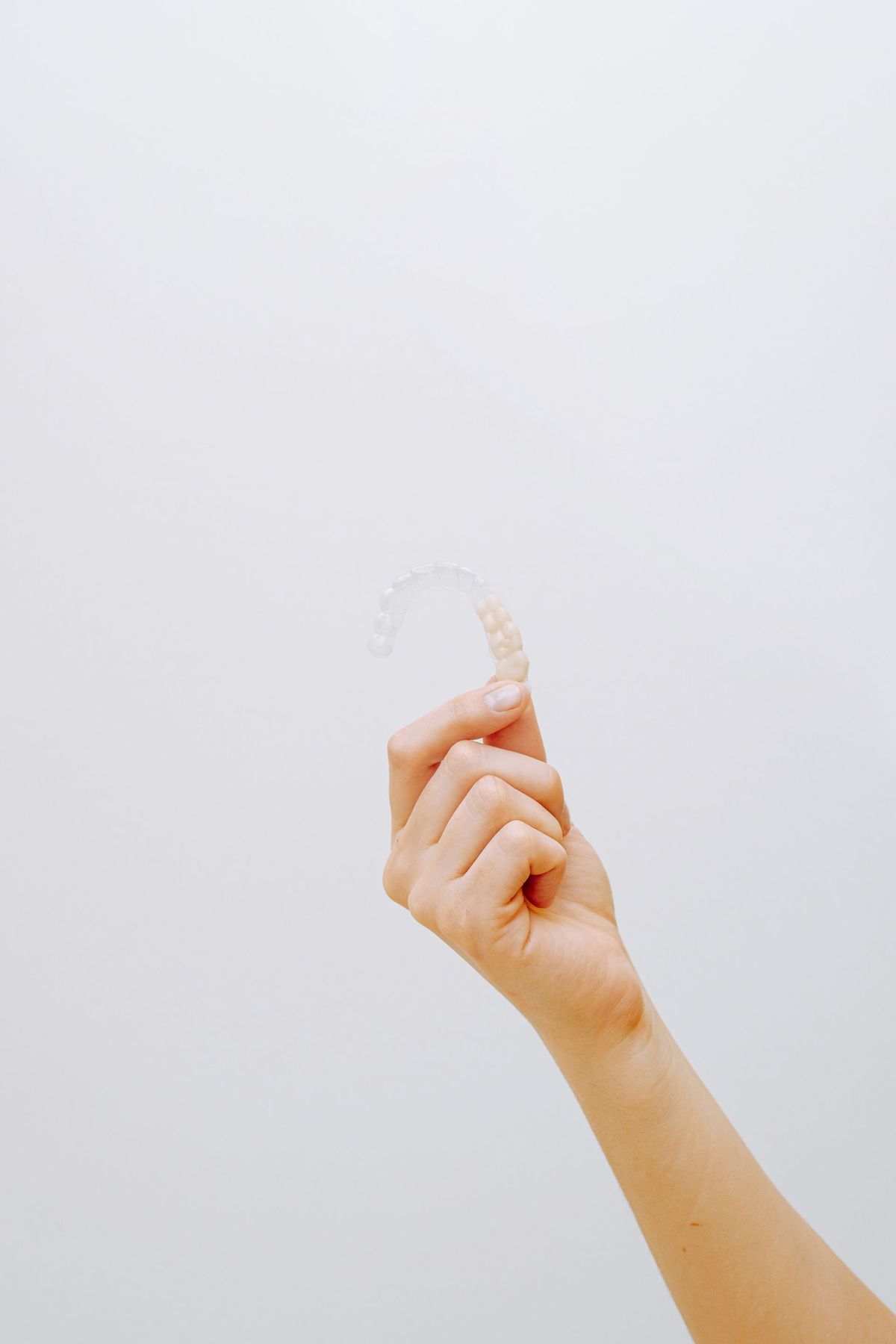
Aligners are custom-made clear plastic trays, changed through a series. They are removable for eating, drinking and cleaning, which many adults find the most liveable arrangement. The catch is that they only work if worn. UK clinical information describes aligners as requiring consistent patient participation. They are generally discreet, though the BOS notes they may use tooth-coloured or metal attachments and must be removed for eating and drinking.
Functional appliances and TADs
These are specialist tools. Functional appliances are used for selected bite problems, and TADs help with particular tooth movements. You will not choose these yourself from a menu. An assessment decides whether you need them, and in some cases an orthodontic specialist is the right person to lead.
Clear aligners for adults: what to expect
Clear aligners are the option most adults ask about, and for good reason. They suit people who work in client-facing jobs, who do not want brackets in photographs, or who cannot give up certain foods for a year or two.
Here is the honest picture.
- Good fit: crowding, spacing, relapse after earlier braces and many mild to moderate bite concerns. If you want more detail on bite cases, we have written about whether Invisalign can fix an open bite, how it can help with an overbite and how midline correction works.
- Not always the answer: severe bite or jaw discrepancies can need orthodontics combined with jaw surgery rather than braces alone, as the BOS leaflet notes. A responsible consultation says so, rather than selling you aligners regardless.
- Your part: wearing the trays for the hours you are told, changing them on schedule and attending reviews. Missed appointments and breakages are patient-related causes of delay, according to the BOS risk advice sheet.
If you want a fuller walk-through, see our guides to Invisalign for UK adults and what to expect from aligner treatment.
How long does adult orthodontic treatment take?
The BOS says simple straightening can sometimes be done in less than 12 months, while more difficult problems take longer. It also warns that a short course gives limited changes. NHS guidance on fixed-brace treatment says it commonly lasts one to two years.
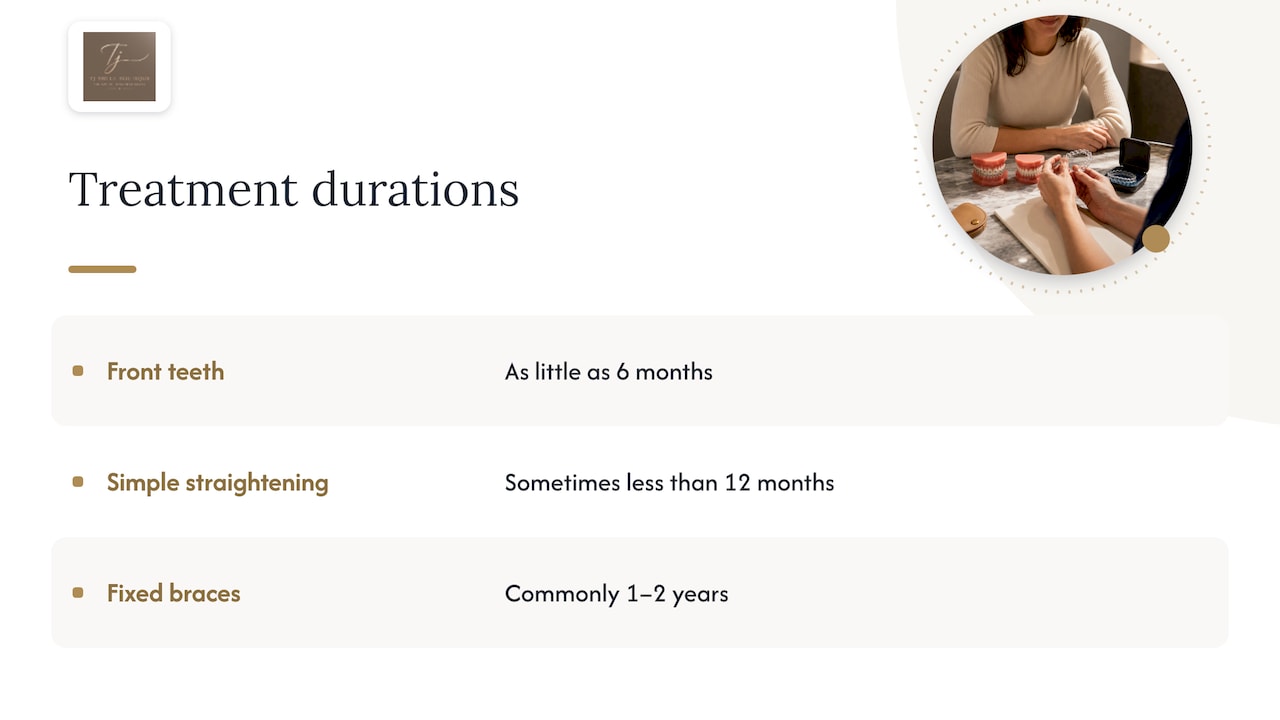
Cosmetic straightening of the visible front teeth alone can take as little as six months, according to Bupa’s patient information. That is not the same as full bite correction, and a clinician should tell you which one you are being offered.
Treatment time cannot be guaranteed. Teeth move at different speeds from person to person. A good consultation gives you an estimated range and explains what you must do to stay on it. Our page on Invisalign treatment time covers what affects the length of an aligner course.
What does it cost?
Because adult treatment is private, prices vary with complexity and the type of appliance, and quotes differ between practices. Do not compare headline figures alone. Check what is included: the consultation, scans, refinements, retainers and review visits.
At TJ Smile Studio the published prices are:
| Service | Price |
|---|---|
| Smile Consultation | £50 |
| Invisalign Consultation | £50 |
| Invisalign | from £1,800 |
| Retainer Review | £35 |
The final Invisalign fee depends on your plan, which is set after the consultation. All our prices are listed on the pricing page.
GOV.UK advises patients to confirm whether treatment is NHS or private, get the proposed plan and estimated costs in writing, and receive an updated written plan if treatment or costs change. We would ask any clinic, ours included, to do exactly that.
Choosing between the options
Work through these questions in order.
- What is the actual problem? Crowding and gaps are different from a bite that does not meet properly. Bite problems may steer you towards fixed appliances or specialist input.
- How visible can it be? If the answer is “not at all”, you are choosing between lingual braces and aligners. If “a little”, ceramic braces join the list.
- How reliable are you with a daily routine? Aligners reward discipline. If you are unlikely to wear them, a fixed appliance does the wearing for you.
- How do you eat, travel and work? Fixed braces mean cleaning after meals and watching what you eat. Aligners come out, but must be cleaned and put back.
- Are you ready for retainers? Whichever you choose, you will need them.
Our comparison of Invisalign vs braces goes through pros, cons and cost side by side. If you are unsure whether you need straightening at all, or whether bonding or veneers would reach the look you want, read cosmetic dentistry vs orthodontics.
Our view: personal planning matters more than the appliance
We see many adults who arrive having decided on a product before anyone has looked at their bite. The appliance is the last decision, not the first.
Every treatment at TJ Smile Studio is personally led by Dr Tashfeen Jamil, from consultation to completion. That continuity matters in orthodontic work, because the person who plans your teeth movement is the person who sees how they are moving. We use a fully digital workflow, so you can see a planned outcome before you commit, and we offer flexible appointment times including evenings and weekends, which suits busy professionals.
We would also rather tell you something unwelcome than sell you something unsuitable. If your case is better handled with fixed braces or by an orthodontic specialist, you should hear that at the consultation. If aligners are right, we will tell you what they demand of you: the hours of wear, the attachments, the reviews and the retainers afterwards.
Sometimes the straightest route is not the one that matters most. Where a few small irregularities bother you, composite bonding or edge bonding may reach the look in less time, and we will say so. A gentle rule applies: choose treatment around the clinical problem and your lifestyle, not around the advert.
— Dr Tashfeen Jamil BDS, MFDS RCS Ed, AssocFCGDent - GDC 286427
Retainers: the part people skip
Teeth move back. The BOS says relapse can occur throughout life and recommends long-term retention. Retainers hold teeth in position but do not move them.
Fixed retainers, bonded behind the teeth, need meticulous cleaning and prompt repair if the glue fails. Removable retainers depend on you remembering to wear them, and may need replacing. Budget for retention from the start, and book a check if something feels loose or different. At our clinic a Retainer Review is £35.
Comfort, speech and daily life
Some soreness is normal. The BOS says it commonly lasts about three to five days after fitting or adjustment. Lingual braces can temporarily affect speech. Aligners can feel tight when you start a new tray.
Plan practical things. If you have a big presentation, a wedding or a holiday, tell your clinician when you book. A plan can often be timed around events, though nobody can promise exact tooth movement on exact dates.
Be careful with remote and mail-order aligners
Remote treatment can improve access and cost, but safety rules still apply. The General Dental Council says suitability needs a full oral-health assessment, direct interaction with the practitioner, valid informed consent and a named dentist you can contact directly. Its guidance for dental professionals says the same about clear responsibility.
Before you start anywhere, check that the clinician is registered with the GDC, which you can do through the route set out by GOV.UK. If you cannot name your dentist or speak to them, treat that as a warning sign.
Starting with a consultation at TJ Smile Studio
If aligners are on your shortlist, our Invisalign service is the place to start. The Invisalign Consultation is £50 and Invisalign treatment starts from £1,800. In the appointment Dr Jamil assesses your teeth and gums, explains whether aligners suit your problem, and talks through the likely duration, what you must do, retention and total cost, which are the points the BOS says an assessment should cover. You can see every published price on our pricing page.
We are in Glasgow and welcome patients from nearby areas such as Shawlands, Clarkston and Pollokshaws.
What to ask at any orthodontic consultation
- Who will carry out my treatment, and what is their GDC number?
- What is wrong with my bite, and which options could correct it?
- What is the estimated time range, and what could extend it?
- What is the total cost, in writing, including retainers and reviews?
- What happens if I break an appliance or lose a tray?
- What are the risks, such as gum problems, root shortening or relapse?
A clear answer to each is the mark of a practice you can trust.
FAQ
Are braces available on the NHS for adults?
Usually not. Adults generally pay privately, as NHS orthodontics is mainly for under-18s with a clinically significant need. Severe cases, particularly those needing jaw surgery, may be treated in hospital services after referral.
Are clear aligners as effective as braces?
For mild to moderate straightening, often yes, when worn as directed. Fixed braces remain a predictable option for complex cases, so effectiveness depends on your problem and on you. A full assessment tells you which suits you.
Am I too old to straighten my teeth?
No. Teeth can be moved at any age if teeth and gums are healthy, according to the British Orthodontic Society. Gum disease or decay would need treating first.
Will I need a retainer afterwards?
Yes. Without retention, teeth can relapse throughout life. Retainers are either fixed behind the teeth or removable, and each needs care and occasional checks.
Sources
- NHS: Braces
- British Orthodontic Society: Treatment and brace types
- Bupa Dental Care UK: Types of braces
- British Orthodontic Society: Everything you need to know before having your teeth straightened
- British Orthodontic Society: Orthodontics for adults
- British Orthodontic Society: FAQs
- British Orthodontic Society: adult leaflet
- British Orthodontic Society: risks of orthodontic treatment
- British Orthodontic Society
- Queen Victoria Hospital NHS: fixed appliances leaflet
- GDC: statement on direct-to-consumer orthodontics
- GDC: direct-to-consumer orthodontics guidance
- GOV.UK: Choosing and paying for dental care
Recommended
- Invisalign for UK Adults
- Invisalign for Overbite
- When Invisalign Fixes a Crossbite
- Invisalign vs Braces: Pros, Cons and Cost
This article is general information, not personal dental advice. What’s right for your teeth depends on a clinical examination — the condition of your enamel, gums, bite and any existing dental work — and no article can assess that. Outcomes vary between patients, and all treatment at TJ Smile Studio is subject to assessment and clinical suitability.
- Dr Tashfeen Jamil BDS, MFDS RCS Ed, AssocFCGDent, PGDip Restorative and Aesthetic Dentistry — GDC registration 286427
This article is general information, not personal dental advice. What's right for your teeth depends on a clinical examination — the condition of your enamel, gums, bite and any existing dental work — and no article can assess that. Outcomes vary between patients, and all treatment at TJ Smile Studio is subject to assessment and clinical suitability.
Clinically reviewed by Dr Tashfeen Jamil BDS, MFDS RCS Ed, AssocFCGDent, PGDip Restorative and Aesthetic Dentistry — GDC registration 286427, Principal Dentist at TJ Smile Studio, 1 Spiersbridge Way, Thornliebank, Glasgow G46 8NG.
If you have dental pain, swelling or an injury, call the practice on 07728 808510. Out of hours in Scotland, call NHS 24 on 111.