
15 October 2026 · TJ Smile Studio
Internal Tooth Whitening: UK Rules to Reduce Resorption Risk
Learn how internal tooth whitening works after root canal treatment, what the evidence shows, UK peroxide rules, and safeguards against resorption.
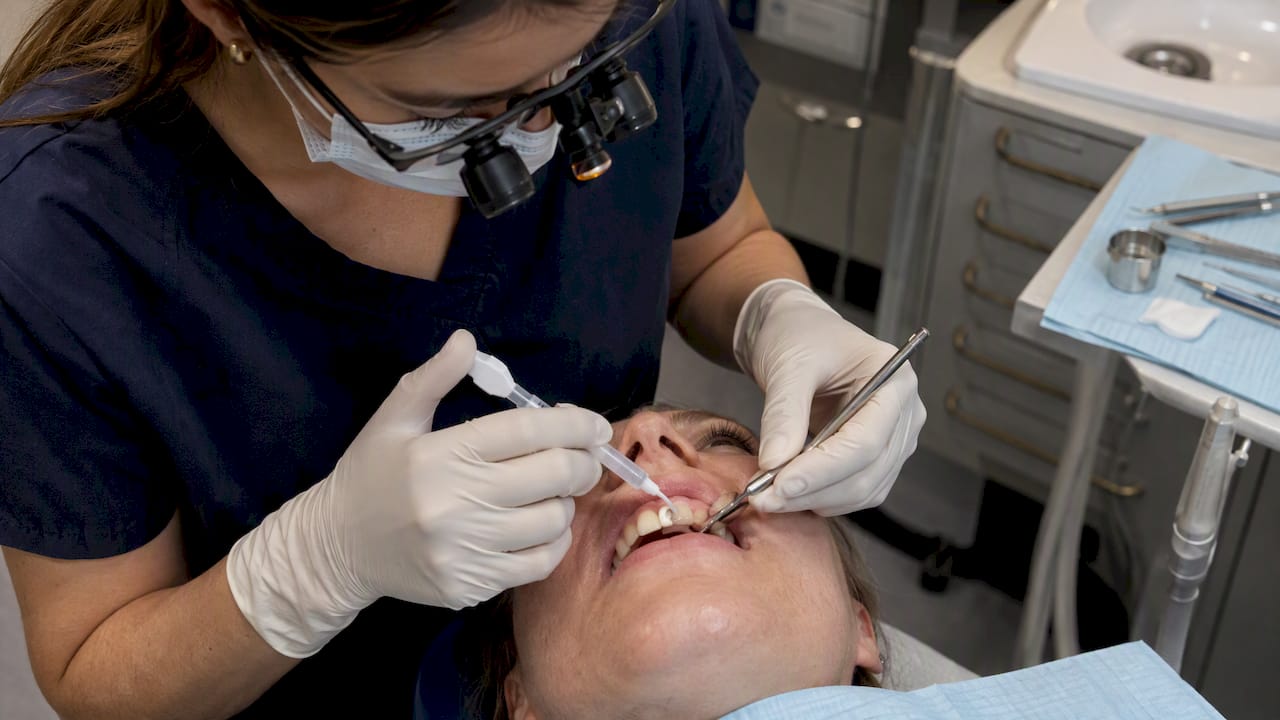
Internal (intracoronal) tooth whitening is a clinician-supervised, conservative procedure that lightens a discoloured non-vital tooth, usually one that has had root canal treatment. The bleaching agent sits inside the tooth, and the treatment is repeated in cycles. Its main risk is external cervical resorption, and UK law limits who can provide it and at what peroxide strength.
TL;DR:
- Bleaching candidates need a sound root filling, no infection on radiographs, and enough remaining tooth structure; clinicians retreat inadequate root fillings before treatment.
- Walking bleach requires repeat clinic visits for gel replacement, while the combined tray technique lets patients apply gel at home and may reduce visits.
- To reduce resorption risk, clinicians place a barrier over the root filling, avoid heat activation, and take radiographs before treatment.
- In the UK, only registered dental professionals may provide whitening, and products containing more than 6% hydrogen peroxide are illegal.
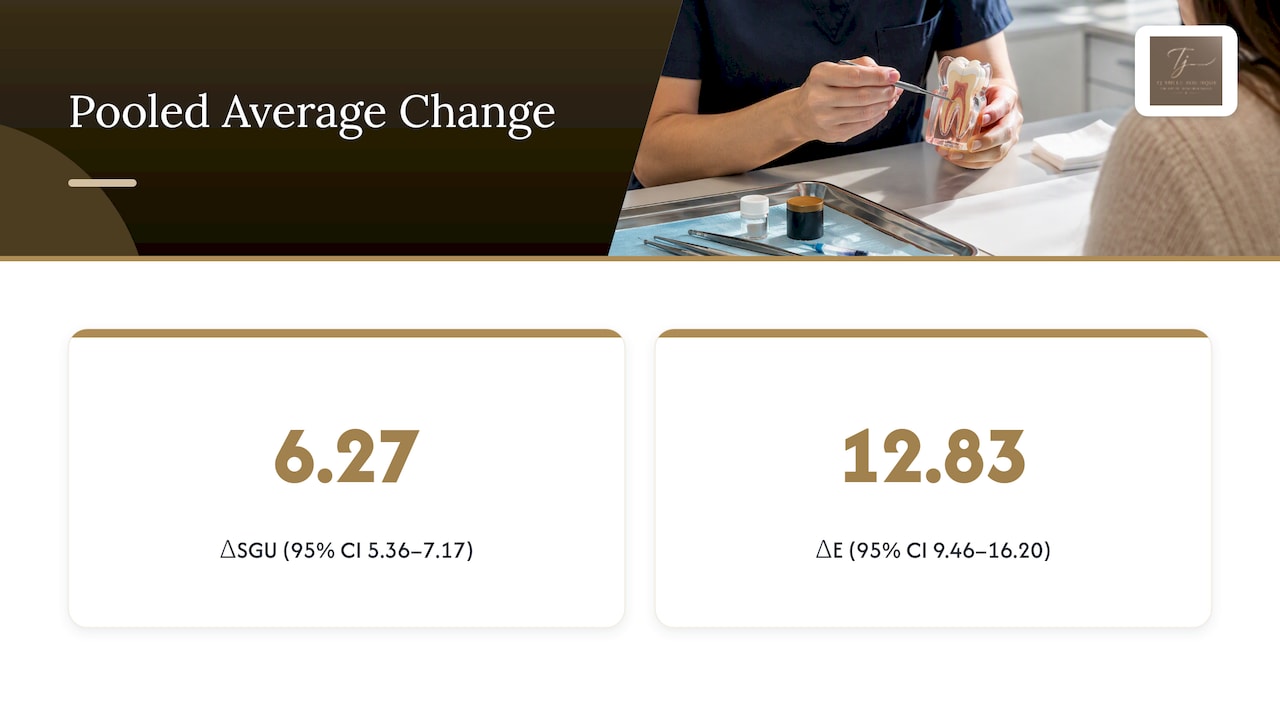
- A pooled analysis found average changes of 6.27 shade guide units and 12.83 ΔE, though results vary with stain cause, age, and dentin density.
Table of Contents
- What is internal tooth whitening and is it right for your tooth?
- How internal whitening works: walking bleach, inside–outside and the agents used
- What results can you expect, and how many visits will it take?
- What are the risks of internal whitening and what are the UK rules?
- What happens step by step, and how do you look after the tooth?
- What are the alternatives if whitening is not enough?
- What does the clinical evidence say, and who stands behind this advice?
- How we approach internal whitening
- Book an assessment for your discoloured tooth
- FAQ
- Sources
What is internal tooth whitening and is it right for your tooth?
Internal whitening, also called intracoronal bleaching, lightens a tooth from the inside. We open a small access cavity, place bleaching gel in the pulp chamber and seal it. That is the opposite of external whitening, where gel sits on the enamel of a living tooth. A non-vital tooth cannot be lightened properly from the outside, because the stain sits within the dentine.
A tooth turns dark for several reasons:
- Trauma: a knock can kill the nerve, and blood breakdown products then seep into the dentine tubules.
- Pulp necrosis: the same staining happens when the pulp dies from decay or infection.
- Root canal treatment sequelae: remnants of pulp tissue, sealers or filling materials can darken the crown over time.
- Tetracycline staining: this is a deep, intrinsic discolouration laid down while the tooth formed.
- Pulp canal obliteration: after trauma the canal can narrow and the crown turns yellow or brown.
Before we recommend bleaching, we check that the tooth is a good candidate:
- The root filling is well condensed, or the tooth is re-treated first.
- There is no active infection, confirmed on a radiograph.
- You understand that results vary from tooth to tooth.
- The tooth has enough sound structure to hold a seal.
Younger patients are a special case. Clinicians sometimes bleach a discoloured tooth in a child or teenager when it is in their best interests, and consent and regulatory safeguards apply. The legal and ethical issues are discussed in the Faculty Dental Journal, which also notes that internal bleaching preserves more tooth structure than crowns or veneers. The NHS patient information on under-18s explains the same principle for families.
How internal whitening works: walking bleach, inside–outside and the agents used
There are two main techniques, and the choice depends on the tooth, your schedule and how much control you want over the process.
Walking bleach
In walking bleach, we place gel inside the access cavity and seal it with a temporary filling. You leave with the gel working inside the tooth. You return after a few days, we remove the old gel, check the shade and, if needed, place fresh gel. The cycle repeats until the colour is where it should be. A clinical guideline from the Royal College of Surgeons treats internal bleaching as a cycle-based procedure for exactly this reason.
Inside–outside
The inside–outside technique combines a small access cavity with a custom tray. You apply gel to the tooth surface and into the cavity at home, so fewer clinic visits are needed. NHS clinic advice describes both approaches, and the StatPearls entry notes that patient application can be more convenient. If you are weighing home against clinic delivery in general, our comparison of home and in-office whitening explains the trade-offs.
The agents we use
These are the agents commonly used inside the tooth:
- Carbamide peroxide: a slower-releasing gel that breaks down into hydrogen peroxide.
- Hydrogen peroxide: a faster-acting agent, used at controlled concentrations.
- Sodium perborate: an older agent, often mixed with hydrogen peroxide or water to form a paste.
- Combinations: sodium perborate with hydrogen peroxide is a frequent pairing.
A systematic review and meta-analysis found that carbamide peroxide, hydrogen peroxide and sodium perborate combined with hydrogen peroxide bleached better than sodium perborate alone. If you want to understand how gel strength is chosen, see our note on starting concentrations.
Safeguards that protect the tooth
The way we carry out the procedure matters as much as the gel. A literature review of intracoronal bleaching found that most cases of external cervical resorption had no intermediate base and used heat-activated methods. So we:
- place a base over the root filling to seal the canal;
- never use thermocatalytic (heat) activation;
- isolate the tooth so gel stays off the gums;
- keep to manufacturer and regulatory limits on concentration.
The UK legal boundary
In the UK, tooth whitening may only be carried out by a registered dental professional. Professional products containing 0.1% to 6% hydrogen peroxide can be supplied only by registered dental professionals, and anything above 6% is illegal, according to nidirect.
Pro Tip: Bring any previous root canal notes and radiographs to your first visit, so we can judge the quality of the existing seal before choosing a technique.
What results can you expect, and how many visits will it take?
Internal bleaching works in cycles, so one appointment is rarely the whole story. Some teeth lighten within a couple of rounds. Others need several, particularly where the stain is old or deep. We review the shade at every visit and stop when the tooth matches its neighbours or stops changing.
The best summary of effectiveness comes from the 2021 meta-analysis, which pooled shade-change data across studies.
ΔSGU: 6.27 [95% CI, 5.36–7.17]; ΔE: 12.83 [95% CI, 9.46–16.20] in the systematic review and meta-analysis of internal bleaching agents. ΔSGU counts steps on a shade guide and ΔE measures overall colour change, so both point to a clearly visible lightening.
These figures are averages across studies. Your tooth may do better or worse, depending on the cause of the stain, how long it has been there and how dense the dentine is.
Staying power matters too. A randomised clinical trial of the walking bleach technique over four sessions reported large colour changes and minimal colour rebound at one year. It also reported positive effects on how patients felt about their appearance. A separate randomised trial measured quality of life at mid-term follow-up and found aesthetic improvement tended to lift patients’ psychosocial well-being. Individual results still vary, and some teeth do darken again, so we monitor for rebound and can top up if needed. For wider background on how whitening holds up, see our article on how long whitening lasts.
One more expectation to set: the final restoration comes last. Once the shade has settled, we replace the temporary seal with a permanent filling. Clinical guidance says this is delayed until colour has stabilised, because bleaching can weaken the bond of composite to the tooth. So the tooth may look unfinished for a short while. That is deliberate, and it protects the result.
What are the risks of internal whitening and what are the UK rules?
The principal risk is external cervical resorption (ECR). In ECR the body gradually breaks down tissue at the neck of the tooth, just below the gum, and the damage to the root can be irreversible. A review of modern internal bleaching protocols identifies ECR as the primary clinical risk. The factors linked with it include:
- no internal base over the root filling;
- thermocatalytic (heat) techniques;
- a history of trauma to the tooth;
- higher peroxide concentrations.
A narrative review of managing discoloured teeth concludes that bleaching root-filled teeth is safe and effective when heat is avoided and a base or sealer is used. It also links higher peroxide concentrations with greater resorption risk.
Other side effects tend to be milder:
- temporary gum soreness or soft-tissue irritation;
- increased tooth sensitivity;
- colour rebound over time and a need for further bleaching;
- possible replacement of the restoration after treatment.
Only a registered dental professional may carry out tooth whitening in the UK, and hydrogen peroxide above 6% is illegal, as set out by nidirect. Belfast City Council repeats the same boundary for retailers and professionals.
We reduce risk with a few firm habits. We place an effective internal seal, we avoid heat activation, we take pre-operative radiographs and we monitor you at follow-up. If you are prone to sensitivity, our guide to easing whitening sensitivity covers what helps.
What happens step by step, and how do you look after the tooth?
Here is the sequence you can expect from first visit to finished tooth.
- Assessment. We examine the tooth, take radiographs, judge the quality of the root filling or plan re-treatment, and take shade photographs.
- Consent. We explain the benefits, the risk of ECR and the likely number of visits, and you agree to proceed.
- Access. We open the pulp chamber and clean out any necrotic debris or stained material.
- Barrier. We place an internal barrier over the root filling to protect the root.
- Bleaching. We insert the agent and close the cavity with a temporary seal.
- Review. We bring you back at intervals, remove the gel, check the shade and replace it if required.
- Restoration. Once the colour is stable, we place the permanent filling.
Between visits, a few habits protect the result:
- Avoid strongly staining foods and drinks while cycles are under way.
- Keep up your normal brushing and cleaning between teeth.
- Report sensitivity, swelling or any sign of infection promptly.
- Keep the temporary filling intact and tell us if it feels loose.
The permanent restoration waits because bleaching can affect composite bond strength, so we hold off until the shade has settled. The Royal College of Surgeons guidance also notes the practicalities of monitoring and of replacing restorations over time.
Pro Tip: Photograph your tooth in daylight before the first visit and again after each cycle. It is easy to lose track of gradual change, and a clear comparison helps us judge when to stop.
What are the alternatives if whitening is not enough?
Bleaching is not always the right answer. When we recommend something else, it is because the tooth or your expectations call for it.
- Composite bonding: a conservative way to mask persistent discolouration with tooth-coloured resin. It needs polishing and occasional repair. You can read more on our composite bonding page.
- Veneers: a thin shell bonded to the front of the tooth. They give predictable shade control but involve removing some tooth tissue. See our veneers page for detail.
- Crowns: a full covering, sometimes chosen when the tooth is heavily broken down or severely stained.
The trade-offs are real. Restorative options cover or remove tooth tissue and carry a lifetime of future maintenance and cost, but they can deliver an immediate, predictable colour. Internal bleaching preserves structure and is biologically conservative, though its result is less predictable and may need top-ups.
So the decision is a weighing exercise. We look at the tooth’s remaining structure, how severe the stain is, what you want it to look like and how much work you are happy to commit to over time. Some patients bleach first and add a veneer later if the shade falls short, which keeps that option open. Our guide to teeth whitening versus veneers sets out how the choices compare.
What does the clinical evidence say, and who stands behind this advice?
The numbers behind our approach come from the pooled analysis: ΔSGU 6.27 [95% CI, 5.36–7.17] and ΔE 12.83 [95% CI, 9.46–16.20] from the meta-analysis. In plain terms, that is a clear, visible lightening on average, with a confidence range showing results can still differ between teeth.
The safety literature is consistent. ECR cases cluster around missing internal bases and heat activation, which is why our protocol avoids both. The review of internal bleaching protocols supports those safeguards.
This guide is written by Dr Tashfeen Jamil BDS, MFDS RCS Ed, AssocFCGDent (GDC 286427). At TJ Smile Studio we offer personalised cosmetic dentistry, including teeth whitening, composite bonding and veneers.
How we approach internal whitening
Every discoloured tooth tells a different story, so we begin with a conversation and a proper assessment, not a standard recipe. We check the root filling, review the radiographs and talk through what you want the tooth to look like. Then we build a plan around that.
Our instinct is conservative. If bleaching can solve the problem, we would rather protect your natural tooth than cut it down. We do not skip the safety checks, and we are honest when a restoration is the better route. Because treatment runs in cycles, we stay in touch between visits. We provide personalised care throughout.
— Dr Tashfeen Jamil BDS, MFDS RCS Ed, AssocFCGDent - GDC 286427
Book an assessment for your discoloured tooth
If one tooth has gone dark, we can assess it and discuss your options. Book a smile or whitening consultation, and bring any radiographs and notes from your previous root canal treatment. Our pricing page lists the Smile Consultation at £50, and our teeth whitening page describes the whitening options we provide.
Reserve your consultation through our pricing and booking page and we will plan your next step with you.
This article is general information, not a substitute for advice from a qualified doctor. Consult a qualified healthcare professional about your own circumstances before acting on anything here.
FAQ
How long does internal whitening take?
It depends on the tooth, because treatment runs in cycles. Some teeth reach the desired shade in a few visits, while others need more. Clinical guidance describes internal bleaching as cycle-based, with the permanent filling placed once colour has stabilised.
Can you whiten your teeth from the inside?
Yes, if the tooth is non-vital. We place bleaching gel inside the pulp chamber and seal it, or use an inside–outside method with a tray. The StatPearls entry on internal tooth whitening summarises the indications and techniques.
Does internal whitening hurt?
A root-filled tooth has no living nerve, so the tooth itself usually feels little. Some people notice gum soreness or sensitivity in nearby teeth, and these effects are typically temporary. The review of modern protocols lists temporary gum soreness and increased sensitivity among the side effects.
What should I check before choosing internal bleaching?
Check that the root filling is sound, that there is no infection and that your clinician places an internal barrier and avoids heat. Ask what the plan is if the shade falls short. A narrative review links higher peroxide concentrations with greater resorption risk.
Sources
- Comparison of the Bleaching Efficacy of Different Agents Used for Internal Bleaching: A Systematic Review and Meta-Analysis - PubMed
- The association of external cervical resorption with modern internal bleaching protocols: what is the current evidence?
- TREATMENT OF INTRINSIC DISCOLORATION IN PERMANENT ANTERIOR TEETH IN CHILDREN AND ADOLESCENTS
- Color Regression and Maintenance Effect of Intracoronal Whitening on the Quality of Life: RCT-A One-year Follow-up Study
Recommended
- Start at CP10%
- UK patients: Wait 1–3 months before
- Ease Whitening Sensitivity Within a Week
- How UK Dentists Grade Tetracycline Teeth
This article is general information, not personal dental advice. What’s right for your teeth depends on a clinical examination — the condition of your enamel, gums, bite and any existing dental work — and no article can assess that. Outcomes vary between patients, and all treatment at TJ Smile Studio is subject to assessment and clinical suitability.
- Dr Tashfeen Jamil BDS, MFDS RCS Ed, AssocFCGDent, PGDip Restorative and Aesthetic Dentistry — GDC registration 286427
This article is general information, not personal dental advice. What's right for your teeth depends on a clinical examination — the condition of your enamel, gums, bite and any existing dental work — and no article can assess that. Outcomes vary between patients, and all treatment at TJ Smile Studio is subject to assessment and clinical suitability.
Clinically reviewed by Dr Tashfeen Jamil BDS, MFDS RCS Ed, AssocFCGDent, PGDip Restorative and Aesthetic Dentistry — GDC registration 286427, Principal Dentist at TJ Smile Studio, 1 Spiersbridge Way, Thornliebank, Glasgow G46 8NG.
If you have dental pain, swelling or an injury, call the practice on 07728 808510. Out of hours in Scotland, call NHS 24 on 111.