
28 September 2026 · TJ Smile Studio
95% Survive 10 Years: How UK Patients Extend Veneer Lifespan
For UK patients: pooled evidence puts porcelain veneer 10 year survival at about 95%. Learn what shortens lifespan and the practical care steps to extend...
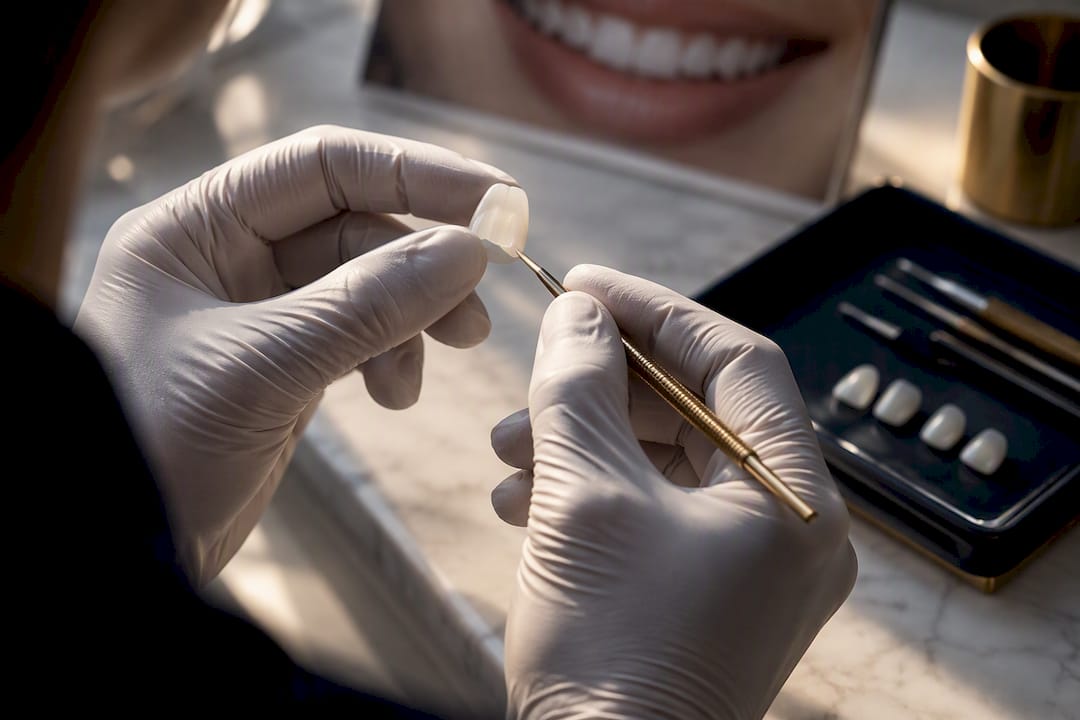
Porcelain veneers typically last around 10 years or more, with pooled clinical data putting 10-year survival at roughly 95%, while composite veneers tend to hold up for shorter periods but are far easier to repair when they chip. Longevity is not fixed by the material alone: preparation quality, bonding technique, and how well you look after them afterwards all move the outcome. No veneer, whatever it is made from, is a lifetime fix.
TL;DR:
- Ceramic veneers have a 10-year survival rate of approximately 95.5%, with fractures and debonding being the main causes of failure.
- Longevity depends heavily on patient habits such as oral hygiene, smoking, acidic food consumption, and grinding, as well as clinical factors like preparation design and bonding quality.
- Early mechanical failures typically occur within the first few years and are often linked to preparation or bonding issues, while later failures usually involve decay or root problems.
- Small chips in composite veneers can often be repaired chairside, but cracked porcelain veneers generally require full replacement.
- Proper maintenance, including regular dental reviews, use of night guards, and avoiding hard or staining foods, significantly extends veneer lifespan.
Table of Contents
- Veneer materials and how long each one typically lasts
- What actually determines how long your veneers last
- Signs a veneer needs repair or replacement
- Keeping veneers looking good for longer
- What happens when a veneer fails: repair, replacement, or a crown
- The clinical view on veneer durability
- What I tell patients weighing up veneers
- Planning veneers with a personalised, evidence-led approach
- Sources
- FAQ
Veneer materials and how long each one typically lasts
Veneers fall into two broad camps: ceramic (including porcelain, feldspathic, lithium disilicate, and zirconia) and composite resin. Each behaves differently under load, stains differently, and fails in different ways.
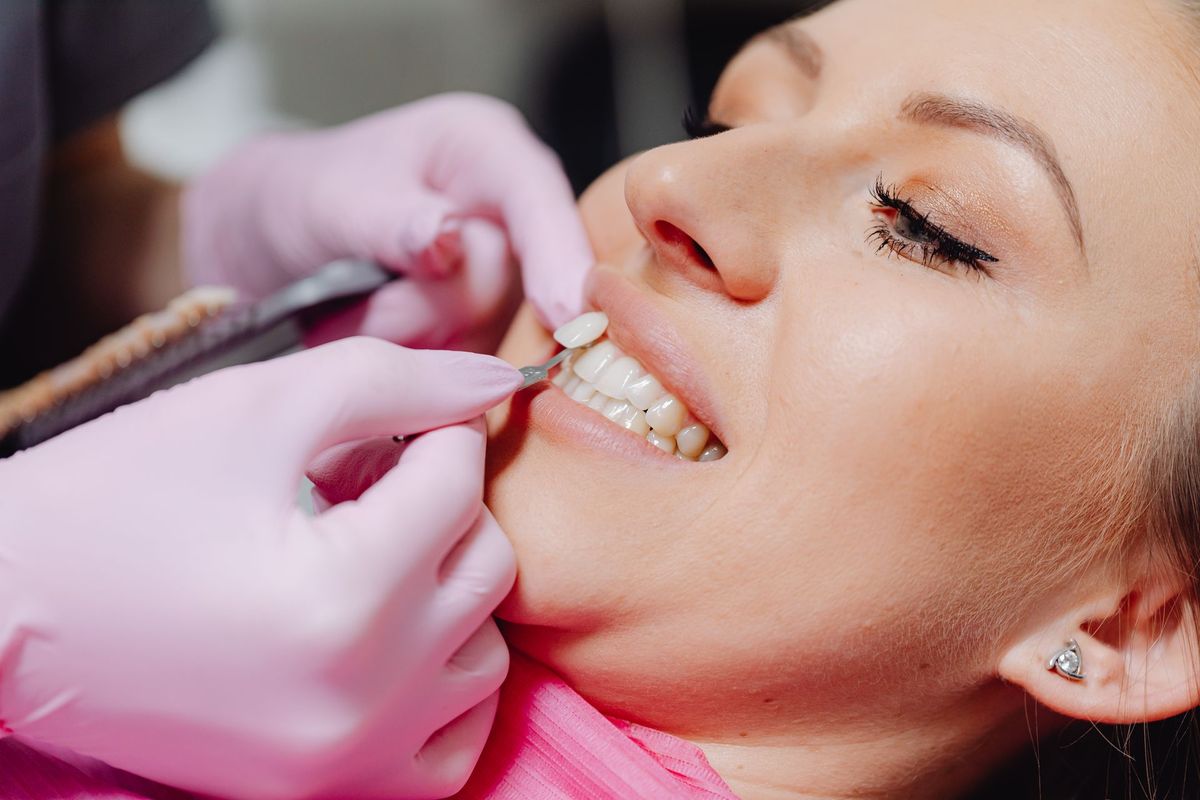
Pooled data from a systematic review and meta-analysis of ceramic laminate veneers found a 10-year cumulative survival rate of approximately 95.5%, with fracture and debonding as the main causes of failure. A separate meta-analysis comparing ceramic types found lithium disilicate showed marginally lower long-term complication rates than feldspathic or LRGC ceramics, which is one reason it has become a common choice where durability and appearance both matter. Composite veneers sit in a different bracket: a randomised trial comparing direct composite against indirect ceramic veneers over a two-year follow-up found broadly similar short-term survival, but the composite restorations showed more staining and surface roughness over time.
A few points help when comparing these figures:
- “Survival” in these studies usually means the restoration is still in the mouth and functioning, not that it looks flawless.
- Minor repairs (polishing, small resin additions) often keep a veneer classed as a success even after some wear.
- Composite veneers are cheaper to fix but need that maintenance more often than ceramic ones.
Our own comparison of composite or porcelain veneers goes into the practical trade-offs between the two if you are weighing them up for your own case.
What actually determines how long your veneers last
Material choice sets a baseline, but the biggest swings in outcome come from patient habits and clinical execution.
On the patient side, oral hygiene, smoking, a diet heavy in acidic or staining foods, and parafunctional habits such as bruxism (teeth grinding or clenching) all raise the risk of early failure. On the clinical side, preparation design matters: whether the veneer covers the incisal edge or not changes how forces are distributed, and studies on preparation design suggest incisal coverage can improve predictability in certain cases. How much enamel remains for bonding, and the standard of the cementation and laboratory work, also shape the result.
A systematic review found that most mechanical failures, including fracture and debonding, happen within the first few years after bonding, which means early problems usually point to a preparation or bonding issue rather than wear. Later failures, appearing after several years, are more often linked to secondary decay under the margin or to root canal problems in the underlying tooth.
- Grinding and clenching place repeated stress on the bonded edge and are a common cause of chipping.
- Biting into hard foods or objects (ice, pen caps, fingernails) can fracture a veneer regardless of material.
- Poor margin fit or contamination during bonding increases the chance of early debonding.
Signs a veneer needs repair or replacement
Most problems are visible or noticeable if you know what to look for.
- Cracks or chips, even small ones, since they can widen under normal biting force.
- Looseness or a veneer that feels like it has shifted, which suggests the bond has started to fail.
- New sensitivity or food trapping near the gumline, both possible signs of a gap that could let decay in underneath.
- Discolouration at the margin or a colour mismatch with surrounding teeth that does not improve with cleaning.
A chipped or loose veneer is worth an urgent assessment rather than waiting for your next routine check, since a small fix now is usually simpler than a full replacement later.
Keeping veneers looking good for longer
Daily habits do more for veneer longevity than almost anything else you control.
- Brush twice daily and clean between teeth with floss or interdental brushes to protect the margins where veneers meet natural tooth.
- Book a professional hygiene visit periodically to remove plaque and surface staining that home cleaning misses.
- If you grind or clench, wear a properly fitted occlusal guard at night, since bruxism is a well-recognised driver of fracture risk.
- Avoid biting hard objects such as ice, pen lids, or fingernails, and cut back on foods and drinks that stain or that carry heavy acid.
- Stopping smoking reduces staining and supports the health of the gum tissue around the restoration.
A dedicated aftercare resource on veneer maintenance and daily care covers the everyday routine in more depth if you want a fuller checklist.
Pro Tip: Keep to your routine dental reviews even when nothing feels wrong, since small defects caught early are usually a quick repair rather than a full replacement.
What happens when a veneer fails: repair, replacement, or a crown
Not every failed veneer means starting from scratch. A small chip in a composite veneer can often be repaired chairside with added resin and polished back to shape, sometimes in a single short appointment. Ceramic veneers are less forgiving to patch directly, so a cracked or debonded porcelain veneer more often means a full replacement.
Replacement typically follows a set path: assessment of the tooth and any decay underneath, new impressions or digital scans, laboratory fabrication of the new veneer, a temporary in the interim, and a final fitting once the piece is ready. Where a tooth has lost significant structure or has had root canal treatment, a crown may be recommended instead of another veneer, since it covers more of the tooth and can offer better protection, at the cost of removing more natural tooth tissue.
- Composite repairs can often be done in one visit and buy time before a full remake is needed.
- Ceramic replacement usually needs at least two appointments to allow for laboratory work.
- A crown is generally considered when the remaining tooth structure cannot reliably support another veneer.
If bonding is more your interest than a full veneer, our composite bonding page explains how that option compares for repairable, lower-cost cosmetic work.
The clinical view on veneer durability
This article is written from the clinical experience of Dr Tashfeen Jamil BDS, MFDS RCS Ed, AssocFCGDent, registered with the GDC under number 286427. In practice, material selection, preparation design, and protective measures such as night guards are chosen based on the individual tooth, the patient’s bite, and their habits, rather than a single default approach for every case.
What I tell patients weighing up veneers
Veneers reward patients who commit to the maintenance, not just the initial treatment. Most people who look after theirs well get many years of good service, but I am always honest that replacement, eventually, is part of the plan rather than a failure of it.
— Dr Tashfeen Jamil BDS, MFDS RCS Ed, AssocFCGDent - GDC 286427
Planning veneers with a personalised, evidence-led approach
If you are weighing up whether veneers are right for you, the material and maintenance factors above matter more than any single number. Every treatment plan is led personally by Dr Tashfeen Jamil, from the initial consultation through to fitting, using a fully digital workflow that allows many patients to complete treatment in a single visit through Same-Day Hybrid Veneers.

Consultations cover material choice, preparation design, and whether a night guard or other protective step should be part of your plan from the outset, so the decision is based on your own teeth and habits rather than a generic recommendation. A Smile Consultation costs £50, and full details on veneer options and pricing are on our veneers page. If you are ready to talk through what would suit your case, book a consultation and we will walk you through the realistic timeline and cost for your own smile.
Sources
- Survival and complication rates of ceramic laminate veneers: systematic review and meta-analysis
- Survival and complication rates of feldspathic, LRGC, LDS and zirconia ceramic laminate veneers
This article is general information, not a substitute for advice from a qualified doctor. Consult a qualified healthcare professional about your own circumstances before acting on anything here.
FAQ
What happens to veneers after 20 years?
Most veneers, whatever the material, typically require replacement eventually, since even high-performing ceramic veneers are studied mainly to the 10-year point with around 95% survival. Beyond that timeframe, wear, staining, or a change in the underlying tooth (such as gum recession exposing the margin) typically prompts a remake rather than indefinite use of the original piece.
Can teeth go bad under veneers?
Yes, the natural tooth underneath a veneer can still develop decay, particularly at the margin where the veneer meets the gumline if hygiene is poor or the edge is not well sealed. This is one reason routine dental reviews continue to matter after veneers are fitted, since problems underneath are not always visible without a check.
What is the 4-8-10 rule for veneers?
This is not a term with a recognised clinical definition in the sources reviewed for this article, and it does not appear in the systematic reviews or NHS patient guidance used here. If you have seen it referenced elsewhere, it is best treated as informal shorthand rather than an established clinical standard.
How do veneers look after 10 years?
At the 10-year mark, pooled clinical data shows roughly 95% of ceramic laminate veneers are still functioning successfully, though some will show minor wear, colour changes at the margin, or will have needed a small repair along the way. Composite veneers are more likely to show visible staining or surface roughness by this stage, which is why they tend to need more frequent maintenance than ceramic options.
Recommended
This article is general information, not personal dental advice. What’s right for your teeth depends on a clinical examination — the condition of your enamel, gums, bite and any existing dental work — and no article can assess that. Outcomes vary between patients, and all treatment at TJ Smile Studio is subject to assessment and clinical suitability.
- Dr Tashfeen Jamil BDS, MFDS RCS Ed, AssocFCGDent, PGDip Restorative and Aesthetic Dentistry — GDC registration 286427
This article is general information, not personal dental advice. What's right for your teeth depends on a clinical examination — the condition of your enamel, gums, bite and any existing dental work — and no article can assess that. Outcomes vary between patients, and all treatment at TJ Smile Studio is subject to assessment and clinical suitability.
Clinically reviewed by Dr Tashfeen Jamil BDS, MFDS RCS Ed, AssocFCGDent, PGDip Restorative and Aesthetic Dentistry — GDC registration 286427, Principal Dentist at TJ Smile Studio, 1 Spiersbridge Way, Thornliebank, Glasgow G46 8NG.
If you have dental pain, swelling or an injury, call the practice on 07728 808510. Out of hours in Scotland, call NHS 24 on 111.