
25 August 2026 · TJ Smile Studio
What to do right now if your temporary crown fell off
If your temporary crown fell off, act fast! Secure it safely, rinse your mouth gently, and contact your dentist for quick assistance.
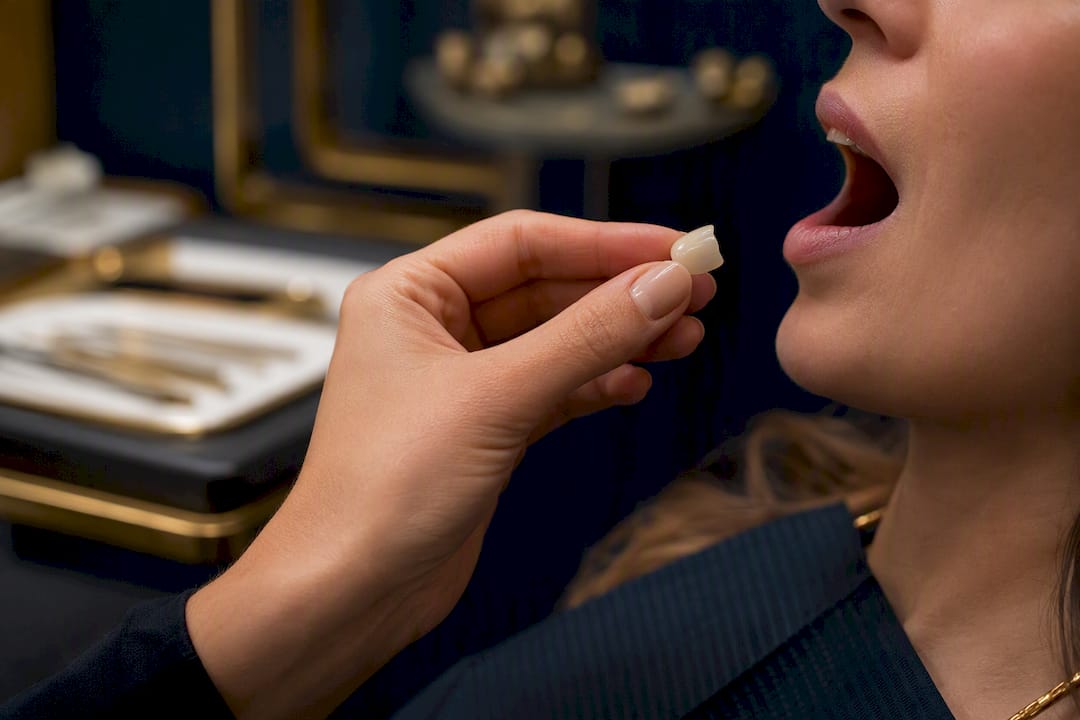
Retrieve the crown and drop it into a hard container, not a tissue. Rinse your mouth gently with lukewarm water, and skip anything containing bleach or alcohol. Call your dentist, or NHS 111 if it’s out of hours, to arrange review. If you want a short-term hold, pharmacy temporary dental cement is fine; household glue is not, ever.
TL;DR:
- Pharmacy temporary dental cement is an effective short-term solution for a loose crown, but it does not replace professional dental assessment and treatment.
- Never attempt to glue the crown yourself with household adhesives, as they are toxic and difficult for dentists to remove safely later.
- Only call emergency services if there is difficulty breathing, swallowing, or severe facial swelling; otherwise, seek urgent dental review within a few days.
- Getting a crown recemented or replaced usually takes a short appointment, but persistent issues like decay or poor fit require longer-term repairs or treatments.
- Until your dental appointment, avoid hard, sticky, or extremely hot or cold foods, and handle the exposed tooth gently to prevent further damage.
Table of Contents
- What to do immediately when a temporary crown falls off
- Can I use pharmacy cement to fix a loose crown myself?
- When does a fallen crown count as a dental emergency?
- What will the dentist actually do about it?
- How should I look after the tooth until my appointment?
- Why trust this guidance on temporary crown problems
- A note from TJ Smile Studio on fallen crowns
- Get your crown sorted properly at TJ Smile Studio
- Where this guidance comes from
- Sources
What to do immediately when a temporary crown falls off
The first few minutes matter more than people think. A crown left rattling around your mouth, or worse, swallowed, is a bigger problem than the exposed tooth underneath it.
Find and secure the crown properly. Look on your plate, in your napkin, or feel around your mouth with your tongue before you panic and search the floor. Once you have it, put it straight into a small pill box, a clean medicine pot, or any hard container with a lid. Don’t wrap it in tissue or kitchen roll. It’s astonishingly easy to mistake a tissue-wrapped crown for rubbish and bin it, which turns a five-minute recementing job into a full remake.
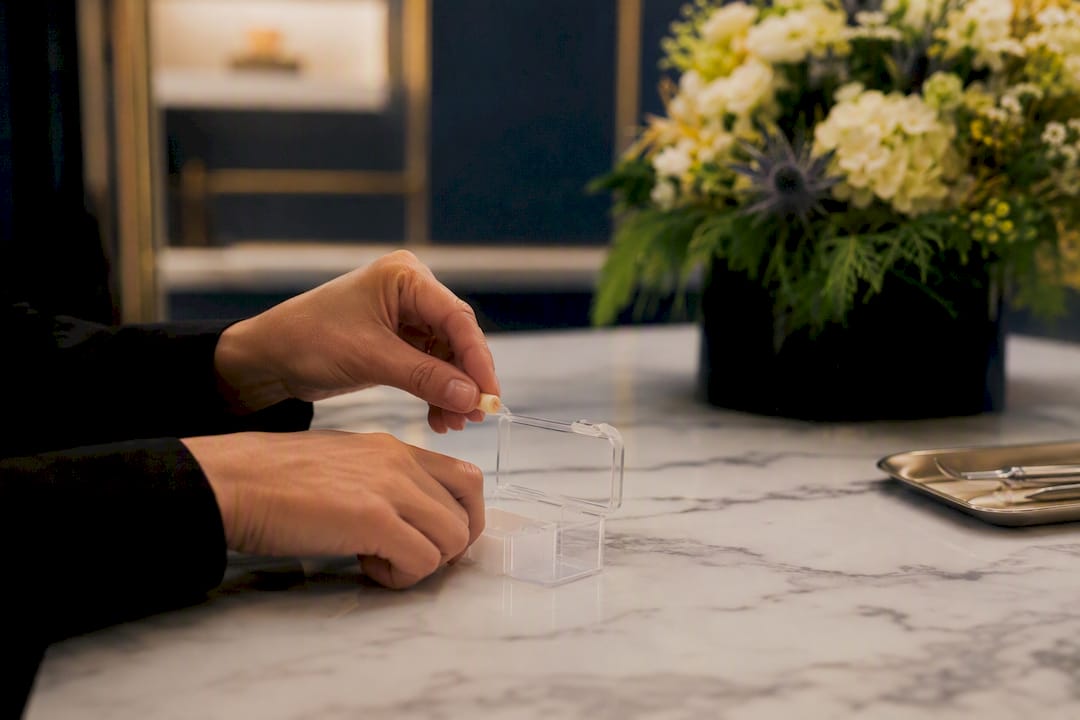
Rinse everything, but gently. Lukewarm water only, for both the crown and your mouth. Boiling water can warp or crack the temporary material, and anything with bleach or strong disinfectant will irritate the exposed tooth surface underneath.
Inspect before you do anything else.
- Check the crown for cracks, sharp edges, or missing chunks
- Look at the tooth stump for dark staining, which can point to decay underneath
- Note whether there’s any bleeding, and whether it’s stopped within a few minutes
- Feel for sharp fragments with your tongue, not your finger, to avoid cutting yourself
Manage the sensitivity. The exposed dentine underneath a temporary crown is often startlingly sensitive to air, hot drinks, and cold water. Applying a pea-sized amount of sensitive toothpaste directly onto the exposed stump gives real short-term relief and takes seconds. Paracetamol or ibuprofen at standard doses can help with any dull ache, provided you’re not otherwise advised against either.
Can I use pharmacy cement to fix a loose crown myself?
Yes, temporary dental cement bought from a pharmacy is a legitimate short-term fix, and it’s exactly what most UK guidance recommends while you wait for an appointment. It is not, however, a substitute for professional recementation.
Typical cost: temporary dental cement kits from UK pharmacies usually cost about £6 to £10, and most contain enough material for several applications.
Products such as Dentemp RECAPIT and DenTek Temparin are commonly stocked and designed precisely for this situation. Using one properly takes about five minutes:
- Dry the inside of the crown with a clean tissue or cotton bud, removing any old cement or debris.
- Dry the tooth stump as best you can, since moisture stops the cement bonding properly.
- Apply a small amount of cement inside the crown, following the pack’s guidance rather than guessing at quantity.
- Seat the crown fully onto the tooth, checking your bite feels even.
- Bite gently on a folded soft cloth or cotton roll for the time stated on the packaging to let it set.
Treat this as a bridge, not a fix. Even a crown that sits perfectly can be masking decay or a fracture underneath that only a dentist will spot, so aim for a dental review within a few days rather than relying on the cement indefinitely.
One rule overrides everything else here: never reach for superglue, nail glue, or any household adhesive. NHS guidance is explicit that these products are toxic to oral tissue and can bond so aggressively that a dentist struggles to remove the crown safely afterwards. Don’t try to file, cut, or reshape the crown yourself either. It’s designed to fit one specific tooth, and any adjustment usually makes it worse.
When does a fallen crown count as a dental emergency?
Most fallen temporary crowns are an urgent problem, not an emergency. The distinction matters because it changes who you call.
Ring 999, or head to A&E, only if you have:
- Difficulty breathing or swallowing
- Spreading swelling into your neck or under your eye
- Facial swelling that’s getting worse quickly, not staying still
Call NHS 111 or your dental practice straight away, but not 999, if you have severe uncontrolled pain, a fever that won’t settle, or bleeding that hasn’t stopped after firm pressure for ten minutes. NHS 111’s own guidance confirms this route handles lost crowns and fillings around the clock, including outside normal surgery hours.
If the crown is intact, sensitivity is mild, and there’s no swelling or bleeding, you don’t need urgent same-day care. Get a message to your dentist and aim for an appointment within 24 to 48 hours, using temporary cement in the meantime if you want the tooth covered.
What will the dentist actually do about it?
Once you’re in the chair, the process is usually quicker than people expect.
- Remove any temporary cement, whether it’s yours or the leftover professional cement, and clean both the crown and tooth thoroughly
- Take an X-ray if there’s any suspicion of decay, a crack, or damage below the gum line
- Check the fit of the crown against the prepared tooth, looking for wear or distortion
- Recement the same crown if it’s undamaged and the tooth underneath looks healthy, often within a single short appointment
- Arrange a repair or a brand new crown if there’s decay, a fracture, or a poor fit, which naturally takes longer
- Refer for root canal treatment in the rarer cases where the nerve has become involved
A straightforward recementation can sometimes be done the same day you’re seen. Anything involving decay or a remake will take longer, and NHS treatment guarantees on repeat work vary by practice, so it’s worth asking directly rather than assuming.
How should I look after the tooth until my appointment?
Treat the exposed tooth as genuinely vulnerable, because it is. A few sensible habits make a real difference to comfort and to the odds of the crown staying put if you’ve recemented it yourself.
- Stick to soft foods and chew on the opposite side of your mouth
- Avoid anything sticky, hard, or extreme in temperature, since toffee and ice cubes are the classic culprits for dislodging crowns in the first place
- Brush gently around the area, and slide floss out sideways rather than pulling it up through the contact point
- Rinse with warm salty water a few times a day if your dentist has suggested it
- If you grind your teeth at night, mention it at your appointment, since a night guard can prevent this happening again
Pro Tip: Keep the spare pill box with the crown in your bag or car, not just at home. If it dislodges again before your appointment, you’ll have both the crown and a plan ready rather than starting from scratch.
If the crown comes off a second or third time despite careful use, stop trying to recement it yourself. Repeated failures usually point to decay, a poor original fit, or grinding that needs proper diagnosis rather than another round of pharmacy cement.
Why trust this guidance on temporary crown problems
This guidance is written under the clinical oversight of Dr Tashfeen Jamil BDS, MFDS RCS Ed, AssocFCGDent, GDC 286427.
The triage advice draws directly on NHS 111 and NHS emergency dental guidance, which set the standard for distinguishing urgent problems from genuine emergencies across the UK. TJ Smile Studio, based in Glasgow, sees fallen and loose crowns regularly as part of its cosmetic and restorative caseload, and its digital workflow means many recementation and repair cases can be assessed and resolved in a single visit rather than requiring several separate appointments.
A note from TJ Smile Studio on fallen crowns
We see this exact situation often, and it’s rarely as serious as it feels in the moment. If your temporary crown has come away, get in touch and we’ll fit you in promptly to check the tooth properly rather than leave you guessing.
— Dr Tashfeen Jamil BDS, MFDS RCS Ed, AssocFCGDent - GDC 286427
Get your crown sorted properly at TJ Smile Studio
A pharmacy cement kit buys you a day or two, but it doesn’t tell you whether there’s decay hiding under that crown or whether the fit was ever quite right to begin with. TJ Smile Studio’s digital workflow means we can often assess, recement, or remake a crown in a single visit, using the same-day technology behind our cosmetic treatments.
If your crown has come loose more than once, that’s usually a sign the original preparation or bite needs a proper look, not another tube of cement. Our same-day smile service is built for exactly this kind of quick turnaround, and if you’re weighing up a longer-term fix, our digital smile makeover page explains how we plan restorative and cosmetic work together so it doesn’t need revisiting. Call or book online today and we’ll get you seen quickly.
Where this guidance comes from
- NHS 111 Wales: lost filling or crown, for out-of-hours triage and typical review timelines
- Chemist, for pharmacy product availability and pricing
- NHS England: clinical guidance on unscheduled urgent and non-urgent dental care, for urgent versus emergency criteria
This article is general information, not a substitute for advice from a qualified doctor. Consult a qualified healthcare professional about your own circumstances before acting on anything here.
Sources
- Lost filling or crown | NHS 111 Wales
- Chemist
- Crown Fallen Off? What to Do Right Now | Dentists Closeby
Recommended
This article is general information, not personal dental advice. What’s right for your teeth depends on a clinical examination — the condition of your enamel, gums, bite and any existing dental work — and no article can assess that. Outcomes vary between patients, and all treatment at TJ Smile Studio is subject to assessment and clinical suitability.
- Dr Tashfeen Jamil BDS, MFDS RCS Ed, AssocFCGDent, PGDip Restorative and Aesthetic Dentistry — GDC registration 286427
This article is general information, not personal dental advice. What's right for your teeth depends on a clinical examination — the condition of your enamel, gums, bite and any existing dental work — and no article can assess that. Outcomes vary between patients, and all treatment at TJ Smile Studio is subject to assessment and clinical suitability.
Clinically reviewed by Dr Tashfeen Jamil BDS, MFDS RCS Ed, AssocFCGDent, PGDip Restorative and Aesthetic Dentistry — GDC registration 286427, Principal Dentist at TJ Smile Studio, 1 Spiersbridge Way, Thornliebank, Glasgow G46 8NG.
If you have dental pain, swelling or an injury, call the practice on 07728 808510. Out of hours in Scotland, call NHS 24 on 111.