20 October 2026 · TJ Smile Studio
Composite Bonding for Enamel Erosion: What Works and What Lasts
Can composite bonding repair enamel erosion? When it suits, how long it lasts, what to fix first and what it costs in Glasgow, from a cosmetic dentist.
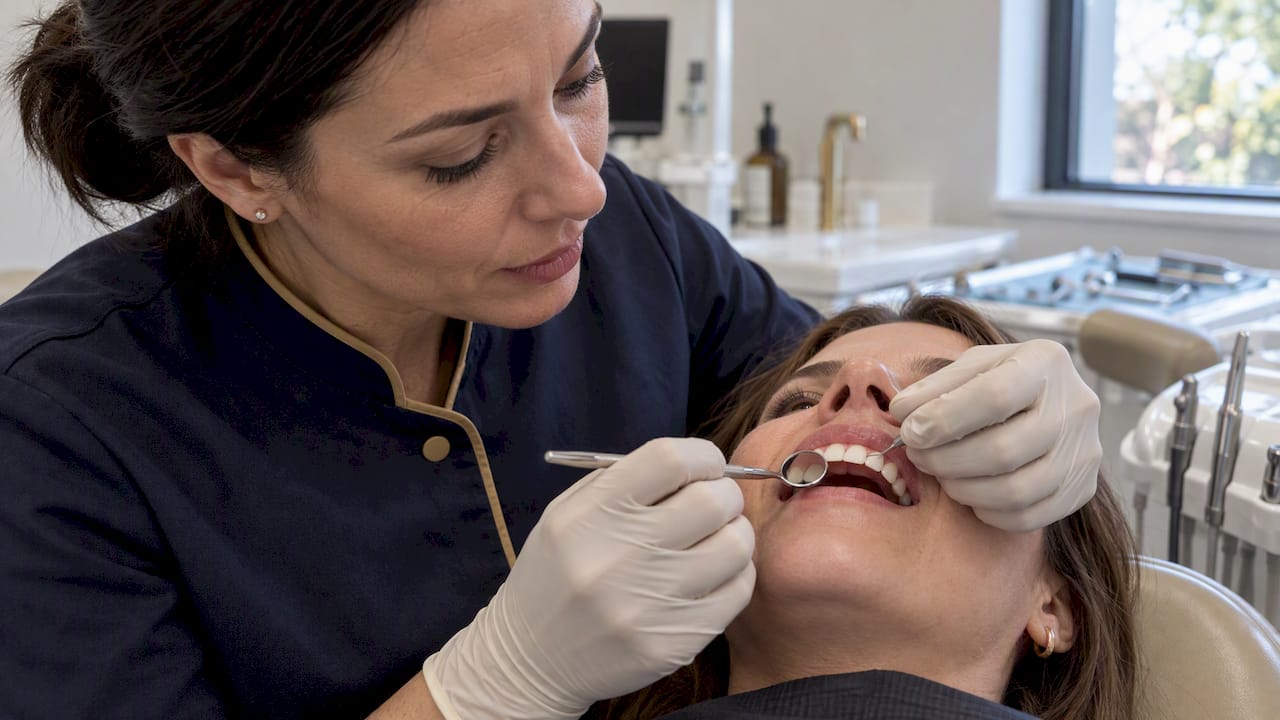
Composite bonding can rebuild teeth that acid has worn thin, and it can do it without drilling away healthy tooth. But it only holds up if the acid attack behind the erosion is brought under control first. Bonding treats the damage. It does not treat the cause, and a good dentist will tell you that before quoting a price.
This guide explains when bonding is a sensible choice for erosion, when watching and waiting is better, how the treatment works, how long it realistically lasts, and what it costs at our Glasgow clinic.
TL;DR
- Bonding is a good, conservative way to restore eroded front teeth for look, sensitivity and shape, but it is not a permanent cure.
- The cause must be managed first: fizzy drinks, citrus, wine, acid reflux, vomiting or grinding can all undermine the repair.
- A 2024 systematic review found 88% survival of anterior composite restorations for tooth wear over 2 to 10 years, so plan for maintenance and repairs.
- At TJ Smile Studio, composite bonding starts from £200 per tooth, and a consultation is £50.
- If your erosion is mild and stable, monitoring may be all you need.
Table of Contents
- What enamel erosion actually is
- When bonding makes sense, and when it does not
- Fix the cause before you restore the teeth
- How composite bonding for erosion is done
- How long does bonding last on eroded teeth?
- What does it cost in Glasgow?
- Bonding, veneers or crowns for eroded teeth?
- Our perspective on bonding for erosion
- Book a consultation at TJ Smile Studio
- Looking after bonded teeth
- FAQ
- Sources
What enamel erosion actually is
Erosion is the loss of tooth surface through acid, not through bacteria. That is the key difference from decay. NHS tooth wear guidance from Royal Devon describes it as the loss of hard tooth substance by chemical processes, with the acid coming from outside the body or from within it.
Acid from outside usually means frequent fizzy drinks (including diet versions), fruit juice, squash, wine, citrus fruit and vinegar-based foods. The Oral Health Foundation notes that each exposure temporarily softens enamel, and that once enamel is lost it does not regenerate.
Acid from inside means stomach acid reaching the mouth: acid reflux (GORD), repeated vomiting, or an eating disorder. Many people do not notice this kind of erosion until the teeth look shorter, thinner or slightly translucent at the edges.
Common signs include:
- Teeth that look shorter or more rounded than they used to
- Edges that appear glassy or see-through
- A yellower look as the dentine underneath shows through
- Sensitivity to cold, sweet or acidic things
- Small dips or “cupping” on the biting surfaces of back teeth
Erosion often sits alongside other wear, such as grinding (attrition), so a proper diagnosis matters. If this sounds familiar, a dentist can tell you which pattern you have.
When bonding makes sense, and when it does not
Not every eroded tooth needs restoring. Clinicians describe “doing nothing” as a valid strategy when wear is minor and stable. Royal Devon NHS guidance points to regular monitoring, often with clinical photographs and study models, as the standard way to decide exactly when treatment is needed.
Bonding is worth considering when:
- You are bothered by how the teeth look, for example short, thin or chipped-looking edges
- The exposed dentine makes teeth sensitive
- The wear is progressing and the teeth need protection
- You want a reversible, minimally invasive option before considering crowns or veneers
It is less suitable, or needs more careful planning, when the acid source is still active, when you grind heavily and have not been protected with a night guard, or when very little enamel remains. Composite bonds most reliably to enamel, so where enamel has largely gone, the bond to dentine alone is a weaker foundation. Capturing as much enamel as possible at the edges of the repair is one reason careful preparation matters, as the Royal College of Surgeons erosion guidelines explain.
In those cases a different restoration, such as a veneer or crown, may be a better long-term answer. We cover the trade-offs in our guide to composite bonding versus veneers.
Fix the cause before you restore the teeth
This is the part most “before and after” galleries skip. The Royal College of Surgeons’ Faculty of Dental Surgery states that restorative treatment should follow identification and management of the causes. Bonding placed into an ongoing acid attack is at higher risk of premature failure.
In practice, that can mean:
- Reviewing your diet. Cutting down how often, not just how much, you have acidic drinks. Sipping fizzy drinks or squash through the day is harder on enamel than drinking one with a meal.
- Changing brushing timing. The NHS advice summarised by Royal Devon is to wait an hour after acidic food or drink before brushing, and to rinse with water afterwards.
- Seeing your GP about reflux or vomiting. Persistent heartburn, regurgitation or repeated vomiting needs medical assessment, not only dental repair. If an eating disorder is part of the picture, your GP is the right first call, and we would never rush you into cosmetic work before that support is in place.
- Dealing with grinding. If you clench or grind, tell us. A protective night guard may be recommended alongside bonding.
- Managing sensitivity. Where dentine is exposed, the RCS guidelines describe fluoride mouthrinses and varnishes as beneficial for desensitisation, and ongoing sensitivity can be a sign that erosion is still active.
None of this is a reason to delay a consultation. We can assess the teeth and plan the sequence with you.
How composite bonding for erosion is done
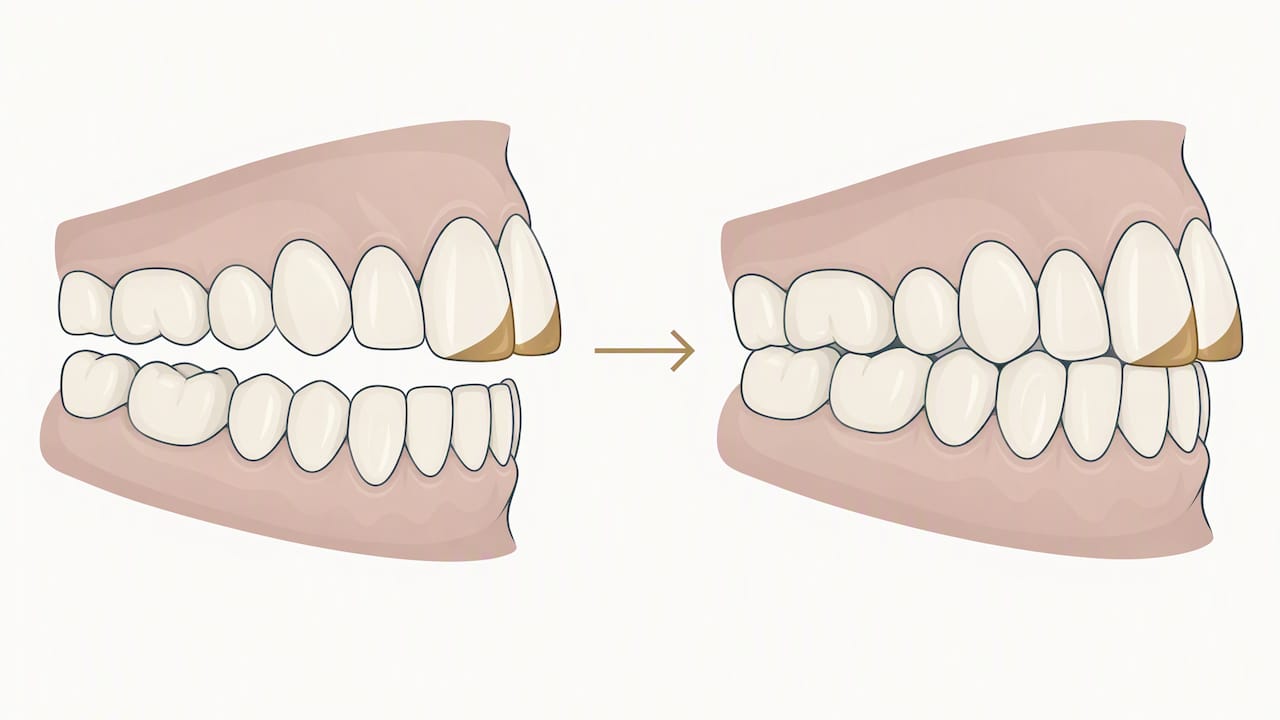
Bonding is additive. A tooth-coloured resin is built up layer by layer and hardened with a light, so most of the time the tooth itself needs little or no reduction. A typical appointment looks like this:
- Assessment and planning. We examine the teeth, look at your bite, take photographs and discuss what you want to change. Our digital workflow helps us plan the result with you before treatment starts.
- Preparing the surface. The tooth is cleaned thoroughly. The RCS guidelines describe cleaning exposed dentine with pumice and water or slow-speed burs to remove the salivary film, which helps the resin bond and penetrate.
- Bonding agent and layering. Adhesive is applied, then the composite is sculpted tooth by tooth, matching shade and translucency.
- Shaping and polishing. The bite is checked and the surface polished so it feels smooth and reflects light like natural enamel.
Many bonding cases can be completed in a single visit, though larger rebuilds may take longer. Your plan will tell you which applies to you.
The bite can feel different at first
In more advanced wear, dentists sometimes build the front teeth up slightly so the back teeth are held apart, using what is called the Dahl approach. The back teeth then gradually move back into contact. A Leicester hospitals patient leaflet on tooth wear says to expect the teeth to feel strange and “high” at first, with an adjustment period of around a couple of weeks and full adaptation taking up to 18 months. Not everyone needs this technique, and we will say so if your case does.
How long does bonding last on eroded teeth?
Honestly: years, not decades, and not without upkeep.
The 2024 systematic review and meta-analysis of anterior composite restorations for tooth wear reported 88% survival over 2 to 10 years, with a lower success rate of 68% over the same period. “Survival” means the restoration is still in the mouth, possibly after repair. “Success” is the stricter measure, meaning it needed no intervention. That gap is the useful message: many restorations get repaired rather than replaced.
An eight-year prospective study of direct composite used for severe wear describes bonding as something that will stain, chip, fracture and eventually need repair or replacement, with patient habits playing a large part. A broader systematic review of composite longevity found annual failure rates ranging from 0.08% to 6.3% and concluded that longevity is not only about the material.
What this means for you:
- Treat bonding as a medium-term restoration that you maintain.
- Expect occasional polishing, repairs and, eventually, replacement.
- Your habits, especially acid exposure and grinding, influence the result more than the brand of composite.
Composite is also more porous than natural enamel, so it can pick up stain from tea, coffee, red wine and smoking. Regular polishing keeps it looking fresh.
What does it cost in Glasgow?
Cosmetic bonding is generally not available on the NHS when it is for appearance, so it is a private treatment. GOV.UK guidance on choosing and paying for dental care says your dentist should give you a written treatment plan showing the costs and whether the treatment is NHS or private, and should update it in writing if anything changes. Ask for that before you commit anywhere. If you have pain or tooth damage from erosion, ask your NHS dentist what they can provide first.
These are our published prices at TJ Smile Studio:
| Treatment | Price |
|---|---|
| Smile consultation | £50 |
| Composite bonding | from £200 per tooth |
| Additional composite bonding | £245 per tooth |
| Additional edge bonding | £199 per tooth |
| Composite bonding review | £45 |
| Composite polish and maintenance | £95 |
| Composite repair assessment | £75 |
Your exact quote depends on how many teeth are involved and how much needs rebuilding, which is why we price after the consultation. Our composite bonding cost guide for Glasgow goes into more detail on what affects the figure. The review, polish and repair appointments are worth budgeting for, since upkeep is part of the realistic cost of bonding over the years.
Bonding, veneers or crowns for eroded teeth?
| Composite bonding | Veneers | Crowns | |
|---|---|---|---|
| Tooth removal | Usually little or none | Some enamel is typically reduced | Most tooth reduction |
| Visits | Often one | Varies by technique | Usually more than one |
| Staining | More prone to stain | More stain resistant | More stain resistant |
| Repairability | Easy to repair or top up | Replacement usually needed | Replacement usually needed |
| Best for | Mild to moderate wear, edges, thin teeth | Wider cosmetic change | Heavy wear or very weakened teeth |
The general trade-offs above are standard dental principles rather than figures from a single study, and the right option depends on your teeth. If you want a wider cosmetic change, our guides to composite versus porcelain veneers and same-day versus traditional veneers help you compare. For severe, widespread wear, a staged plan may be needed, which is where full mouth rehabilitation comes in.
Our perspective on bonding for erosion
We like bonding for erosion because it is conservative. You keep your own tooth, you can often see the result in one visit, and if things change, it can be repaired or redone. That is a real advantage for a condition that is often still developing.
We are also wary of promising too much. Every treatment at the studio is personally led by me, so you will see the same clinician from planning to completion, and that continuity matters most in erosion cases. It lets us notice patterns over time: where wear is accelerating, where a repair keeps chipping, whether the bite needs adjusting.
Our advice is simple. Come in before you decide. Let us look at the teeth, talk through what is causing the wear and agree a plan, even if that plan is to monitor for now. If bonding is right, we will tell you how many teeth it needs, what it will cost and what upkeep to expect. If it is not, we will say that too.
— Dr Tashfeen Jamil BDS, MFDS RCS Ed, AssocFCGDent - GDC 286427
Book a consultation at TJ Smile Studio
If you are in Glasgow and want an honest opinion on worn or eroded teeth, start with a £50 smile consultation. We will talk through your concerns, look at what bonding can realistically achieve and give you a clear plan. You can read more about the treatment on our composite bonding page or see all fees on the pricing page. We offer flexible appointment times, including evenings and weekends, which suits people fitting treatment around work. If you are on the south side, we also have pages for patients around Shawlands and Pollokshields.
Looking after bonded teeth
- Limit acid frequency. Keep fizzy drinks, juice and wine to mealtimes where you can, and rinse with water afterwards.
- Wait before brushing. Give it an hour after acidic food or drink.
- Wear your night guard if one is recommended.
- Avoid biting hard objects such as pen lids, ice or fingernails, which chip composite.
- Book regular reviews and polishes. Small chips are easy to fix early.
- Report sensitivity. The RCS guidance notes it can mean erosion is still active.
FAQ
Can composite bonding fix enamel erosion?
It can restore the shape, look and protection of eroded teeth, but it cannot stop erosion. The acid sources behind it still need to be identified and managed, or the bonding is at higher risk of failing early.
Does composite bonding deteriorate?
Yes, over time it can stain, chip, wear and eventually come away from the tooth. The 2024 meta-analysis reported 88% survival over 2 to 10 years, usually with repairs along the way. Regular polishing and reviews keep it in good condition.
How much is bonding for enamel erosion?
At TJ Smile Studio, composite bonding starts from £200 per tooth, and a consultation costs £50. The final figure depends on how many teeth need treatment and how much rebuilding is required, and we confirm it in writing after your assessment.
What are the downsides of composite bonding?
It is more prone to staining than porcelain, it can chip, and it needs maintenance and eventual replacement. The upside is that it is minimally invasive and repairable. Whether those trade-offs suit you depends on the amount of wear and your habits.
Do I need treatment at all?
Not always. If wear is mild and stable, monitoring with photographs and models may be the best approach, and a dentist can tell you which applies to you.
Sources
- Success and Survival of Composite Resin Restorations for Localized Anterior Tooth Wear (PubMed, 2024)
- Tooth wear leaflet, Royal Devon NHS
- Royal Devon NHS Foundation Trust
- Acidic foods and drinks, Oral Health Foundation
- Clinical guidelines for dental erosion, Royal College of Surgeons
- Tooth wear patient leaflet, Leicester’s Hospitals
- Survival of direct composite restorations in severe tooth wear: 8-year study (PubMed)
- Longevity of composite restorations (PubMed)
- Choosing and paying for dental care, GOV.UK
Recommended
- Composite Bonding in Glasgow
- Single Visit Composite Edge Bonding UK
- From £75: Same Day Composite Bonding
- Composite Bonding vs Veneers
This article is general information, not personal dental advice. What’s right for your teeth depends on a clinical examination — the condition of your enamel, gums, bite and any existing dental work — and no article can assess that. Outcomes vary between patients, and all treatment at TJ Smile Studio is subject to assessment and clinical suitability.
- Dr Tashfeen Jamil BDS, MFDS RCS Ed, AssocFCGDent, PGDip Restorative and Aesthetic Dentistry — GDC registration 286427
This article is general information, not personal dental advice. What's right for your teeth depends on a clinical examination — the condition of your enamel, gums, bite and any existing dental work — and no article can assess that. Outcomes vary between patients, and all treatment at TJ Smile Studio is subject to assessment and clinical suitability.
Clinically reviewed by Dr Tashfeen Jamil BDS, MFDS RCS Ed, AssocFCGDent, PGDip Restorative and Aesthetic Dentistry — GDC registration 286427, Principal Dentist at TJ Smile Studio, 1 Spiersbridge Way, Thornliebank, Glasgow G46 8NG.
If you have dental pain, swelling or an injury, call the practice on 07728 808510. Out of hours in Scotland, call NHS 24 on 111.